
PETER OBI
Reshaping Nigeria’s Consumption-Dependent Economy into a Production PowerhouseFrom Consumption to Production. From Imports to Global Exports.
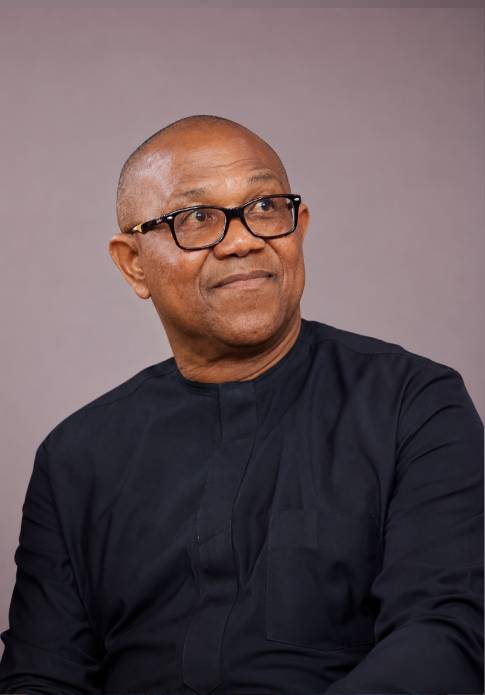
The Obinomics Vision
Obinomics is a development philosophy centered on transforming Nigeria from a predominantly consumption-driven economy into a productive, competitive, and self-sustaining economy.
At the heart of this philosophy is a simple idea: Nigeria must produce more of what it consumes, create more of what it needs, and compete more effectively in the global economy.
The goal is not simply to increase government spending or distribute resources. It is to create an economic environment where businesses can grow, farmers can produce, industries can manufacture, young people can build careers, and Nigerian products can compete at home and abroad.
Policy positions
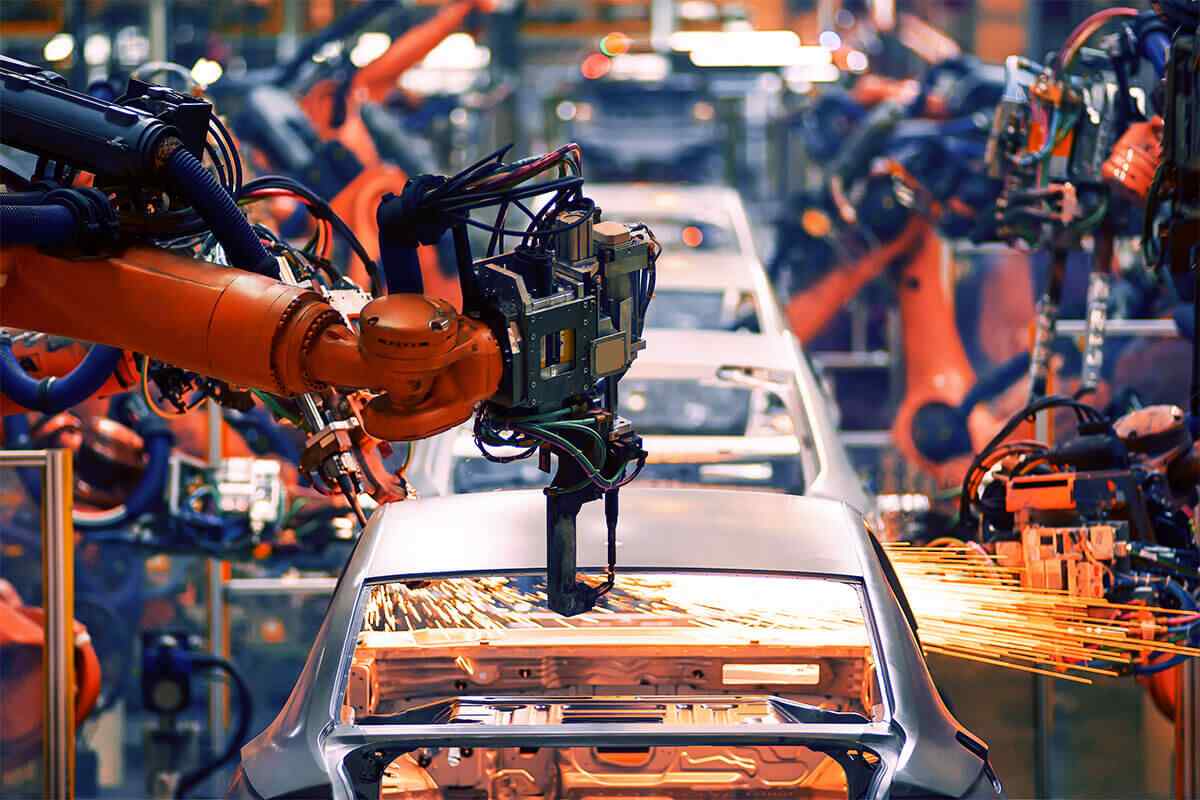
Economy
Nigeria needs an economy that creates opportunities, not just jobs on government payrolls.
The Employment & Enterprise Initiative would focus on strengthening small businesses, supporting entrepreneurs, expanding access to productive capital and creating an environment where businesses can start, grow and employ more Nigerians.
The focus is on enterprise, skills, investment and opportunity.
When Nigerian businesses grow, Nigerian workers benefit.
Nigeria has the population, resources and entrepreneurial talent to produce far more of what it consumes.
The Made in Nigeria Mandate would encourage greater domestic production across strategic sectors—from manufacturing and construction to agriculture, technology and consumer goods.
The objective is not to shut Nigeria off from the world.
It is to build Nigerian industries capable of competing with the world.
Produce in Nigeria. Create jobs in Nigeria. Build wealth in Nigeria.
Electricity is the foundation of a productive economy.
Businesses cannot compete globally when they spend a large portion of their income generating their own electricity. Manufacturers cannot expand efficiently when power is unreliable. Small businesses cannot reach their full potential when energy costs remain high.
Project Light Up Nigeria would make reliable electricity a central part of economic development—through better generation, stronger transmission, improved distribution, renewable energy and greater private-sector participation.
Power is not just infrastructure. Power is economic development.

Security
The first responsibility of government is to protect the lives and property of its citizens.
A stronger security system should focus on intelligence, professional policing, effective coordination and modern technology.
Security should be proactive—not simply a response after communities have been attacked.
The objective is a Nigeria where families can live, work and travel with greater confidence.
Nigeria needs capable institutions that can protect its territorial integrity and respond to emerging threats.
This means strengthening the capacity, welfare, training, equipment and professionalism of Nigeria’s security services.
It also means improving intelligence gathering and cooperation between security agencies.
Insecurity does not only threaten lives.
It destroys economic opportunity.
When roads become unsafe, farmers cannot reach markets. When communities are insecure, businesses leave. When infrastructure is vulnerable, investment becomes more difficult.
Economic security therefore means protecting the infrastructure, supply chains, businesses and communities that keep Nigeria productive.
Protect the people. Protect production. Protect Nigeria’s economic future.
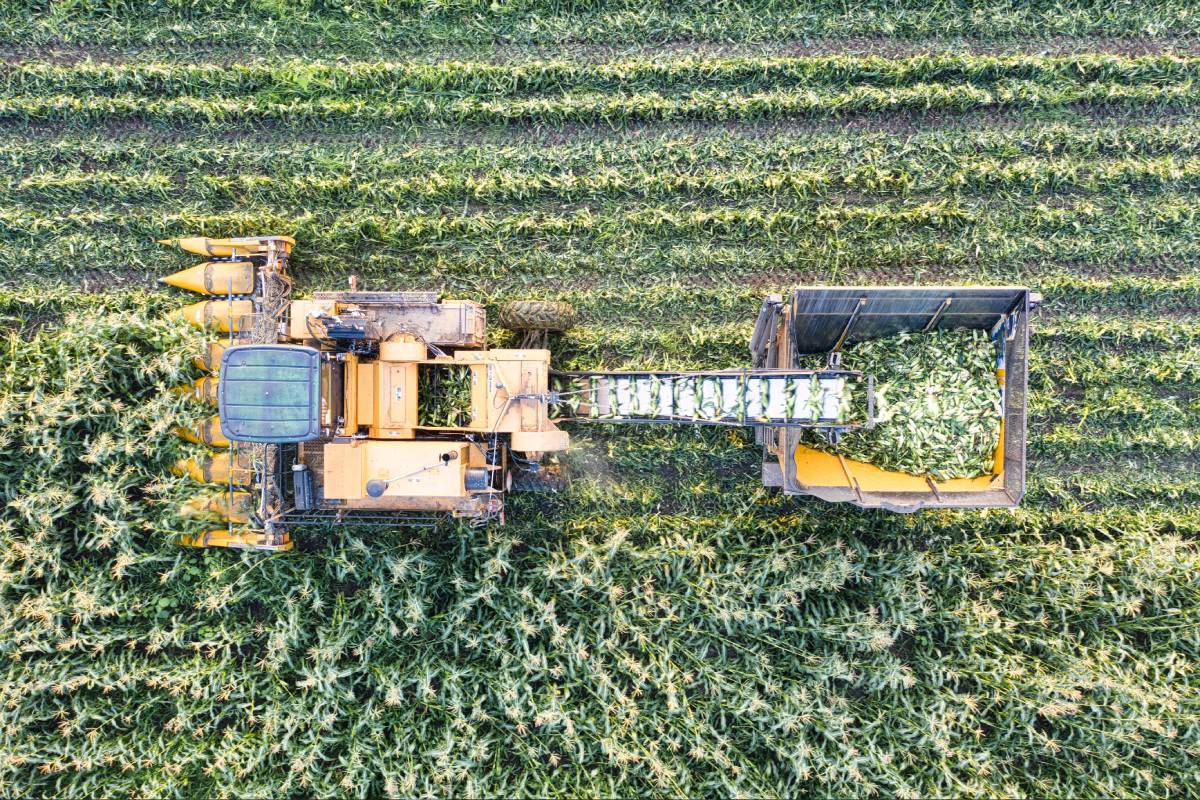
Agriculture
Nigeria should move beyond exporting raw agricultural commodities and importing finished products.
Instead, agricultural production should increasingly be connected to processing and manufacturing.
Instead of simply producing:
Cocoa → produce chocolate
Cassava → produce starch, ethanol and industrial products
Cotton → produce textiles
Tomatoes → produce processed tomato products
Palm → develop food, cosmetic and industrial products
This creates additional businesses, jobs and investment around agriculture.
The farmer should not be at the beginning of the value chain and the foreign manufacturer at the end.
Nigeria should capture more of that value at home.
A productive agricultural sector is essential to national food security.
Nigeria should encourage greater domestic food production while improving the infrastructure required to move food from farms to consumers.
That means addressing:
- Access to farm inputs
- Irrigation
- Storage
- Transportation
- Processing
- Market access
- Agricultural finance
- Rural infrastructure
Food security should mean that Nigerian families can access nutritious food while Nigerian farmers have a viable market for what they produce.
The future of Nigerian agriculture should combine the knowledge of Nigerian farmers with modern technology.
Technology can help farmers improve:
- Productivity
- Weather forecasting
- Irrigation
- Access to markets
- Farm management
- Financing
- Storage
- Distribution
Agricultural development should also transform rural communities.
A prosperous agricultural community needs more than farms. It needs roads, electricity, schools, healthcare, telecommunications, financial services and markets.
Government as an EnablerA New Economic Social Contract
Prosperity.
Productivity.
The vision is ultimately about creating an economy where government, businesses, workers, entrepreneurs, farmers, investors, and citizens all contribute to national productivity.
Nigeria’s resources should not simply finance consumption. They should help build the productive capacity that generates wealth for generations.
The question is no longer only how much Nigeria earns from oil, taxes, or other resources.
The bigger question is:
What can Nigeria produce with the resources, talent, and opportunities it already has?
The focusWhat can Nigeria produce?
In FocusParker: Leadership, Experience, Values means something.
Candidate Sarah Parker will fight for strong neighborhood schools, higher incomes, and an economy that works for everyone.

Would you like to become one of our Volunteers?
Would you like to become one of our donors?